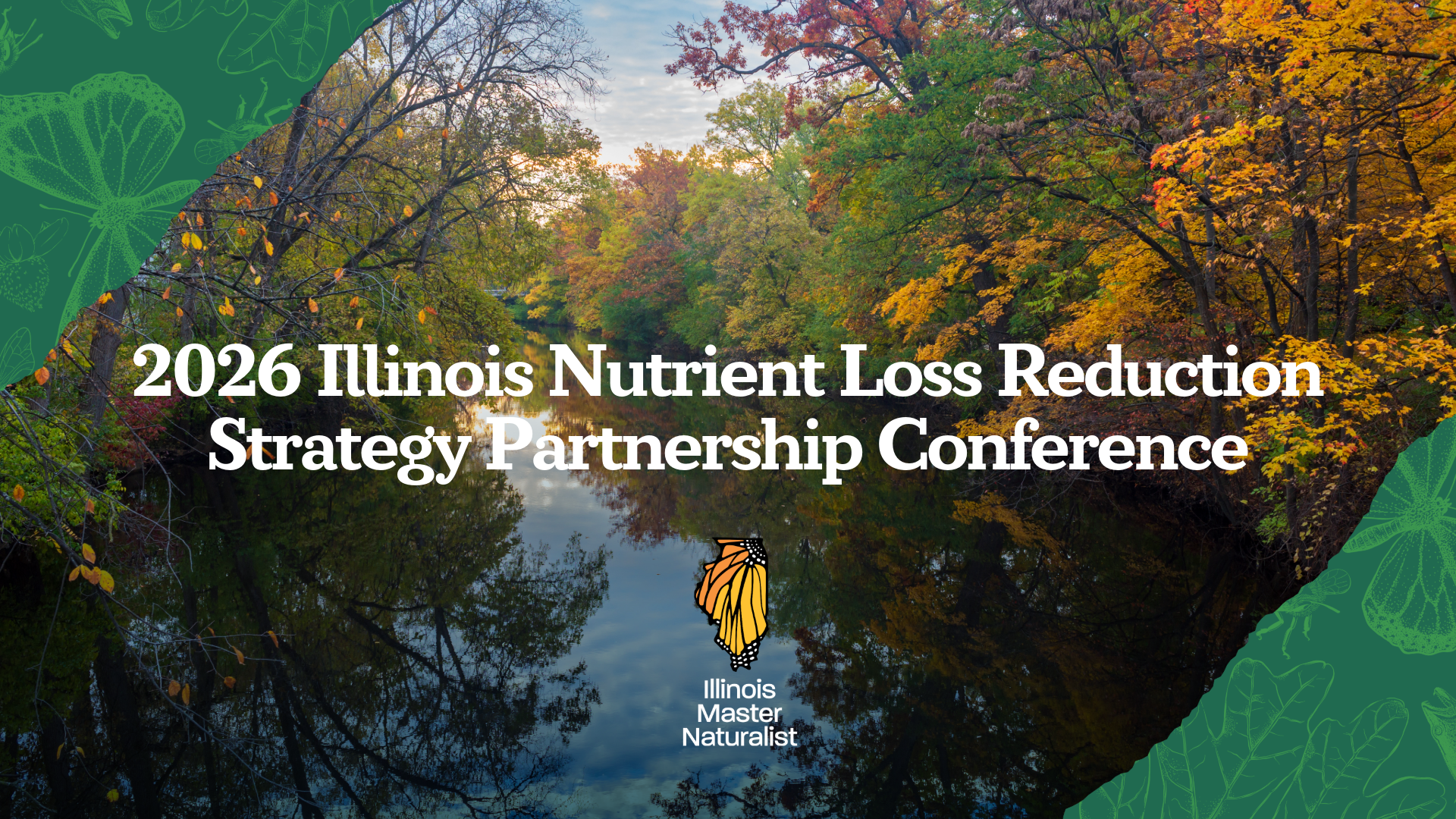
Mattoon, IL-(Effingham Radio)- University of Illinois Extension invites community members to a free virtual viewing of the 2026 Illinois Nutrient Loss Reduction Strategy (NLRS) Annual Partnership Conference on Thursday, Dec. 3, from 9 a.m. to 4:30 p.m. at the Mattoon Public Library.
The conference will explore current efforts to reduce nutrient loss and improve water quality across Illinois. Topics include statewide nutrient trends, agricultural conservation practices, wastewater improvements, stormwater management, phosphorus loss and research supporting the Illinois NLRS.
Morning sessions will feature updates on statewide nutrient loads and watershed trends, point-source nutrient loss reduction, urban stormwater and green infrastructure, agricultural conservation programs, and nutrient research and education.
Afternoon sessions will focus on agricultural water quality, phosphorus movement from fields to streams, flow normalization and the scientific foundation for the next phase of the Illinois NLRS. A panel discussion will highlight conservation solutions connecting farm fields, streams and floodplains, featuring representatives from conservation organizations and government agencies.
Participants may come and go throughout the day to watch the sessions that interest them most. Coffee, water, soda and refreshments will be available during conference breaks. Lunch will be on participants’ own, with time to network or visit nearby restaurants.
ABOUT EXTENSION: University of Illinois Extension develops educational programs, extends knowledge, and builds partnerships to support people, communities, and their environments as part of the state’s land-grant institution. Extension serves as the leading public outreach effort for University of Illinois Urbana-Champaign and the College of Agricultural, Consumer and Environmental Sciences in all 102 Illinois counties through a network of 27 multi-county units and over 500 staff statewide. Extension’s mission is responsive to eight strategic priorities — community, economy, environment, food and agriculture, health, partnerships, technology and discovery, and workforce excellence — that are served through five program areas — 4-H youth development, agriculture and agribusiness, community and economic development, health and community wellness, and natural resources, environment, and energy.
SOURCE: Jenny Lee, Horticulture Educator, Illinois Extension, jalee73@illinois.edu
WRITER: Shana Yowell, marketing coordinator, Illinois Extension, syowell@illinois.edu







Comments